

Technology
Laser Dentistry in Lansdowne: Waterlase and Fotona
Scroll
Technology
Two advanced lasers, matched to the right procedure
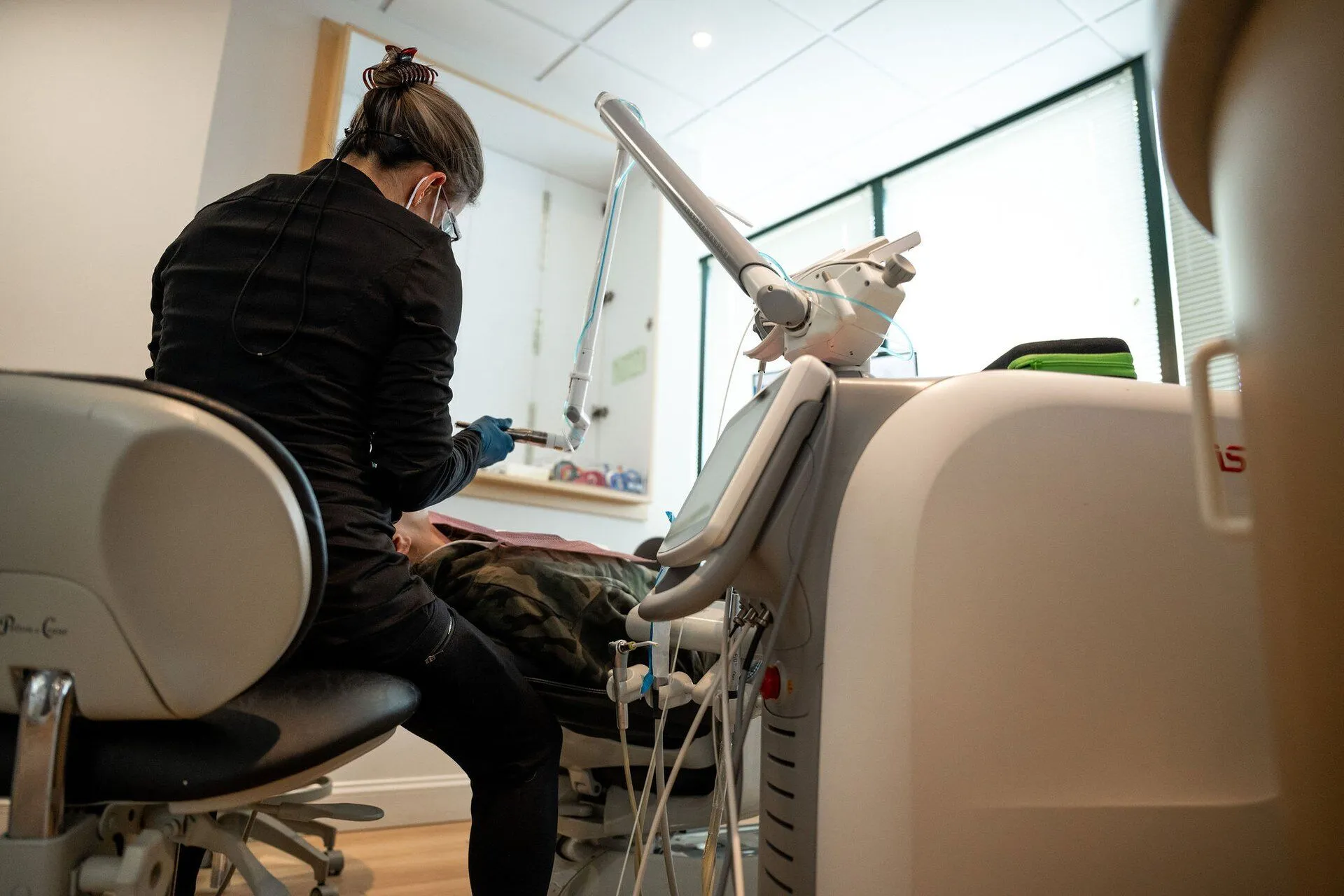
Lansdowne Dental Care is home to two advanced dental lasers: Waterlase and Fotona. For selected procedures, and depending on the device, they may offer advantages such as precision, reduced bleeding, or improved comfort. The benefits vary by procedure, and laser treatment isn’t the best option for every patient. No single laser does everything well. Having both Waterlase and Fotona allows us to choose the best tool for each patient and each procedure.
Waterlase combines laser energy with a gentle spray of water. It’s well suited to precise work on teeth and soft tissues, and some procedures can be done with less need for the drill and, depending on the treatment and the patient, less anesthesia.
Fotona is a versatile laser system that offers multiple wavelengths in one platform. This flexibility lets us use it for several different treatments, each with its own indications.
Technology
How laser dentistry works
A dental laser delivers a concentrated beam of light energy. Different wavelengths interact with tissues in different ways. Some are absorbed by water in the tissue, which lets the laser gently remove or reshape tissue with great precision. Others are used at lower energy to stimulate the body’s natural healing processes without cutting at all.
Lasers allow precise treatment of the targeted area, although they still interact with surrounding tissue, and the effects depend on the device, settings, and technique. For some soft-tissue procedures, lasers can help control bleeding, which may mean less swelling and a more comfortable recovery.
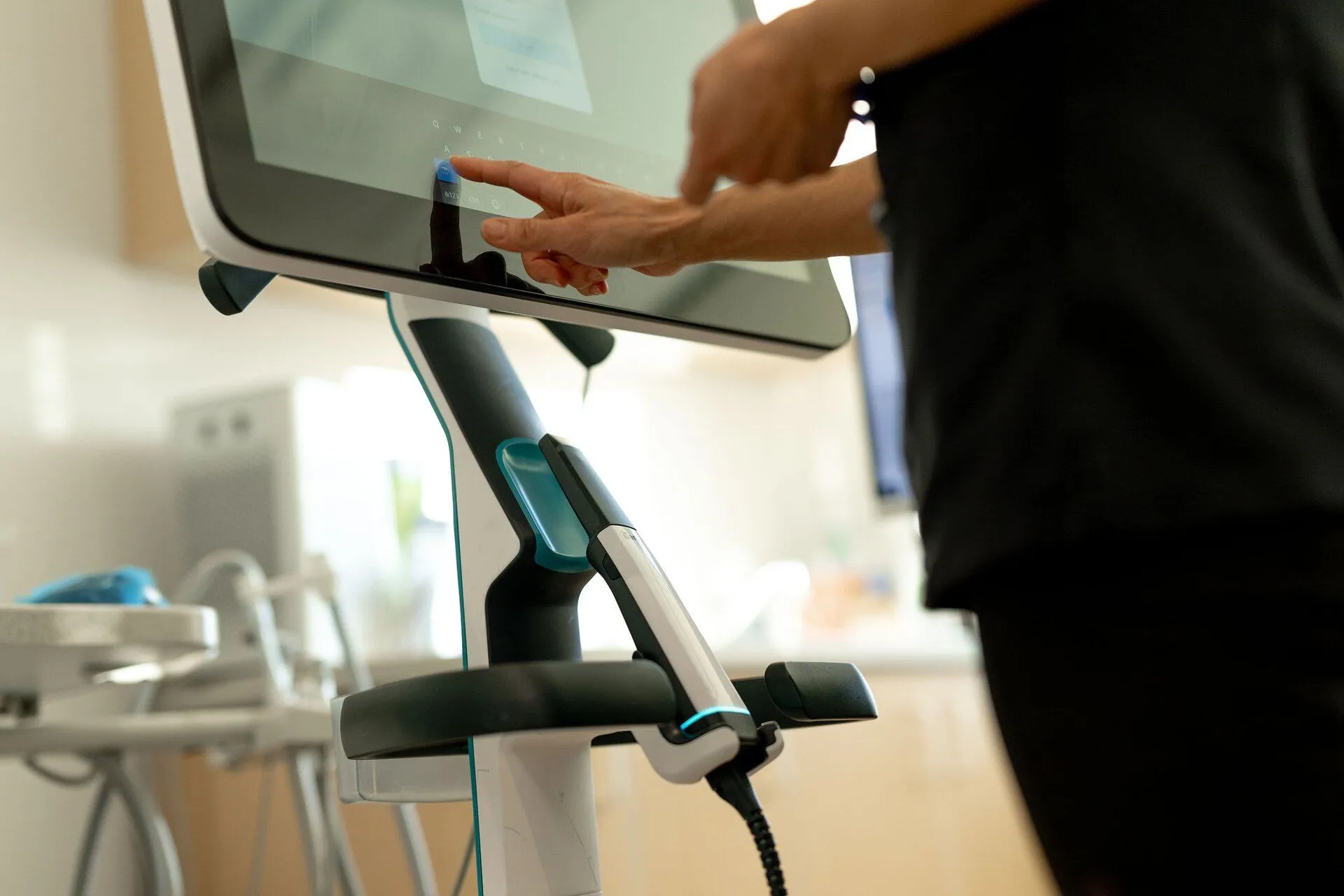
What we treat with Fotona
Laser gum therapy. Gum disease is caused by bacteria that collect below the gumline, leading to inflammation, bleeding, and, over time, bone loss around the teeth. Laser gum therapy is a separate treatment from a conventional deep cleaning. It uses laser energy to help reduce bacteria and remove diseased tissue in the gum pocket. It doesn’t replace regular cleanings and ongoing maintenance, and whether it’s right for you depends on your diagnosis.
Healthy gums are about more than your smile. Gum disease is a chronic inflammatory condition, and research has linked it to other whole-body health concerns. Treating it thoroughly is one of the most important things we do. When laser therapy is appropriate, it can help us treat infected areas precisely as part of your periodontal care. Long-term gum health depends on an accurate diagnosis, effective treatment, good home care, and regular maintenance visits.
Photobiomodulation for TMJ and jaw pain. Photobiomodulation uses low levels of laser energy to support the body’s natural healing processes. For selected patients with TMJ pain or muscle tension, it may be a useful, non-invasive addition to a complete TMJ plan. Results vary, and it isn’t a stand-alone treatment for joint problems. It’s often combined with other therapies, such as splint therapy or PRF injections, to support comfort and recovery.
NightLase for snoring. NightLase is a non-invasive laser treatment for snoring. The laser gently warms the tissues at the back of the mouth and throat, which helps tighten them and can reduce the vibration that causes snoring. There’s no cutting and no downtime. Early research suggests it may reduce snoring in selected adults after a short series of sessions, though larger, longer-term studies are still needed. Because snoring can be a sign of obstructive sleep apnea, we recommend a medical evaluation with your physician, and quieter snoring doesn’t mean sleep apnea has resolved. Learn more on our NightLase page.
The Right Laser
for Each Procedure
Technology
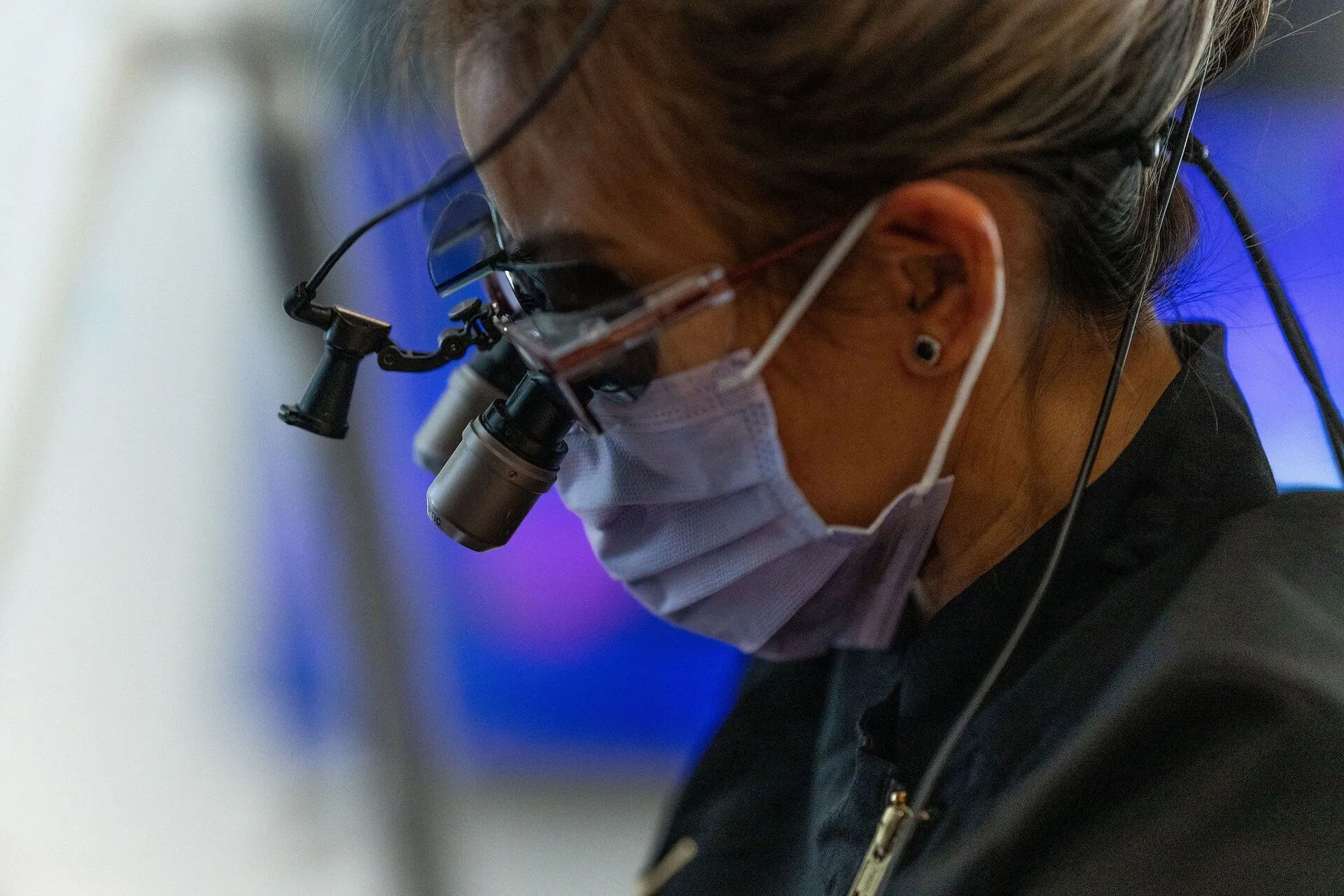
Potential benefits of laser dentistry
- More comfort. For some procedures, patients report less discomfort than with traditional techniques.
- Less bleeding and swelling. For some soft-tissue procedures, lasers help control bleeding.
- Precision. Lasers allow precise treatment of the targeted tissue.
- Faster healing. Some patients recover more quickly, depending on the procedure.
- Less anxiety. For some patients, less drilling makes visits feel easier.
- Versatility. Two platforms let us match the technology to the procedure.
Technology
Is laser dentistry right for you?
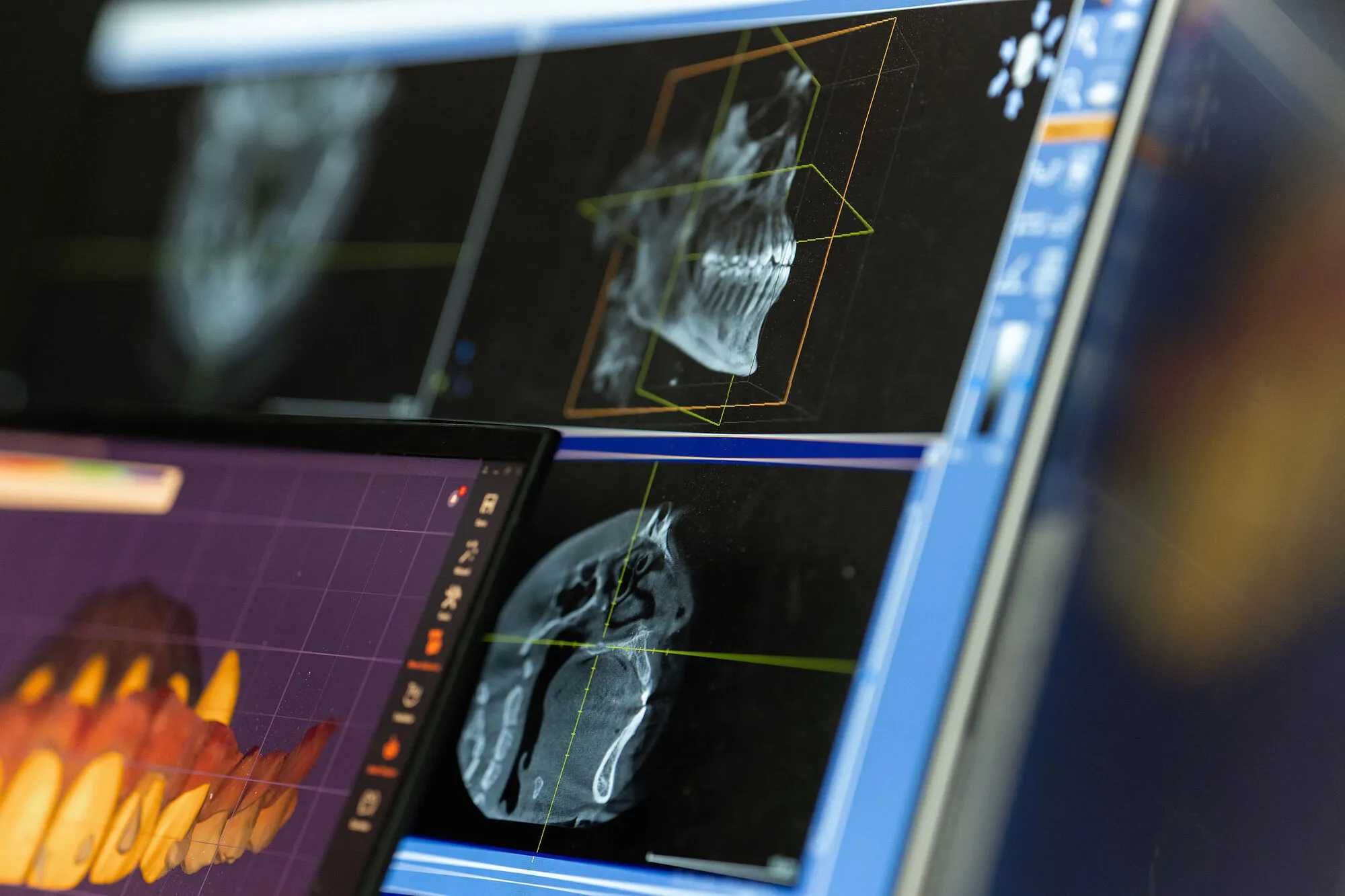
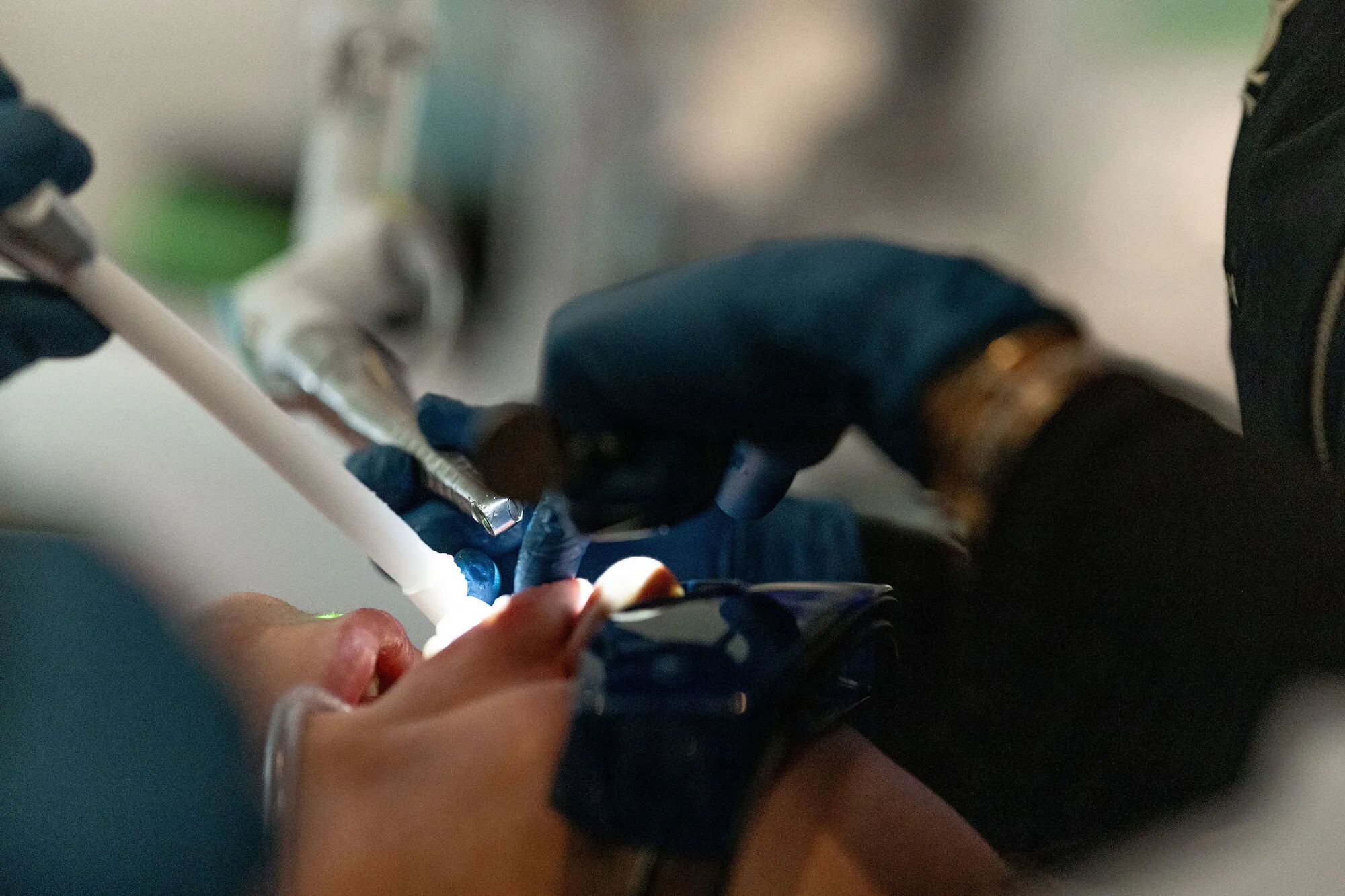
Have you ever been told you have gum pockets or that you snore? Or if you have bleeding, swollen, or receding gums then you may want to ask about laser treatment. This could also be a good option if you live with jaw pain, muscle tension, or TMJ symptoms. Laser dentistry is also a great option if you experience dental anxiety and want a gentler, more non-invasive option during your visits.
Our doctors will let you know whether a laser is the best tool for your needs, or whether another approach would serve you better.
Technology
Part of a whole-body approach
At Lansdowne Dental Care, laser dentistry is part of a larger philosophy. We look at how your gums, teeth, bite, jaw joints, and airway work together. Healthy gums are part of your overall health. A comfortable jaw supports better sleep and daily function. Quieter breathing at night supports better rest for you and your household. Our lasers are one of the tools we use to care for each of these areas. Our goal is to create beautiful smiles rooted in function, balance, and peak health.
Step by Step
What to expect at your visit
1
Evaluation
Our doctors will review your health history and concerns and examine your teeth, gums, jaw, and airway as needed.
2
A personalized plan
We explain whether laser treatment is a good fit, which laser we’ll use, and what results you can expect.
3
Comfortable treatment
Some laser procedures need less anesthesia, depending on the treatment. We’ll make sure you’re comfortable throughout.
4
Simple aftercare
We’ll give you clear instructions for any follow-up care.
Questions
Frequently Asked Questions
Does laser dentistry hurt?
Comfort depends on the procedure. For some treatments, patients find lasers more comfortable than traditional methods and need less anesthesia. We’ll tell you what to expect for your specific treatment.
Is laser dentistry safe?
Dental lasers are widely used, and our team is trained in their use. We follow device-specific safety procedures, including wavelength-appropriate eye protection. Like any treatment, laser procedures have risks that depend on the device and treatment, and we’ll discuss them with you.
How many NightLase sessions will I need?
NightLase is usually done as a short series of sessions. Dr. Tracey will recommend a plan based on your needs.
Can lasers replace my regular cleanings?
No. Laser treatments work alongside your regular preventive care, including professional cleanings and home care.
Is recovery different after laser treatment?
It depends on the procedure. For some treatments, patients notice less swelling and soreness than with traditional methods. We’ll give you clear aftercare instructions for your specific treatment.
Experience the difference
If you’re dealing with gum concerns, jaw pain or snoring, laser dentistry may be one of your options. Schedule a virtual consultation with Dr. Tracey to learn which treatments are right for you.
Book Your Virtual Consult
Start With
a Conversation
Tell us a little about what you’re experiencing and our team will reach out to schedule your virtual consultation with Dr. Tracey.
Leesburg · Health · Function · Aesthetics · Confidence